
Crimson Aspen shares practical, down-to-earth guidance on british garden trees and woodland planting for readers across the UK.
- 0123456789
- Angle Bd Abdelmoumen & rue soumaya, Résidence
- [email protected]
Crimson Aspen shares practical, down-to-earth guidance on british garden trees and woodland planting for readers across the UK.
 By Eleanor Whitfield
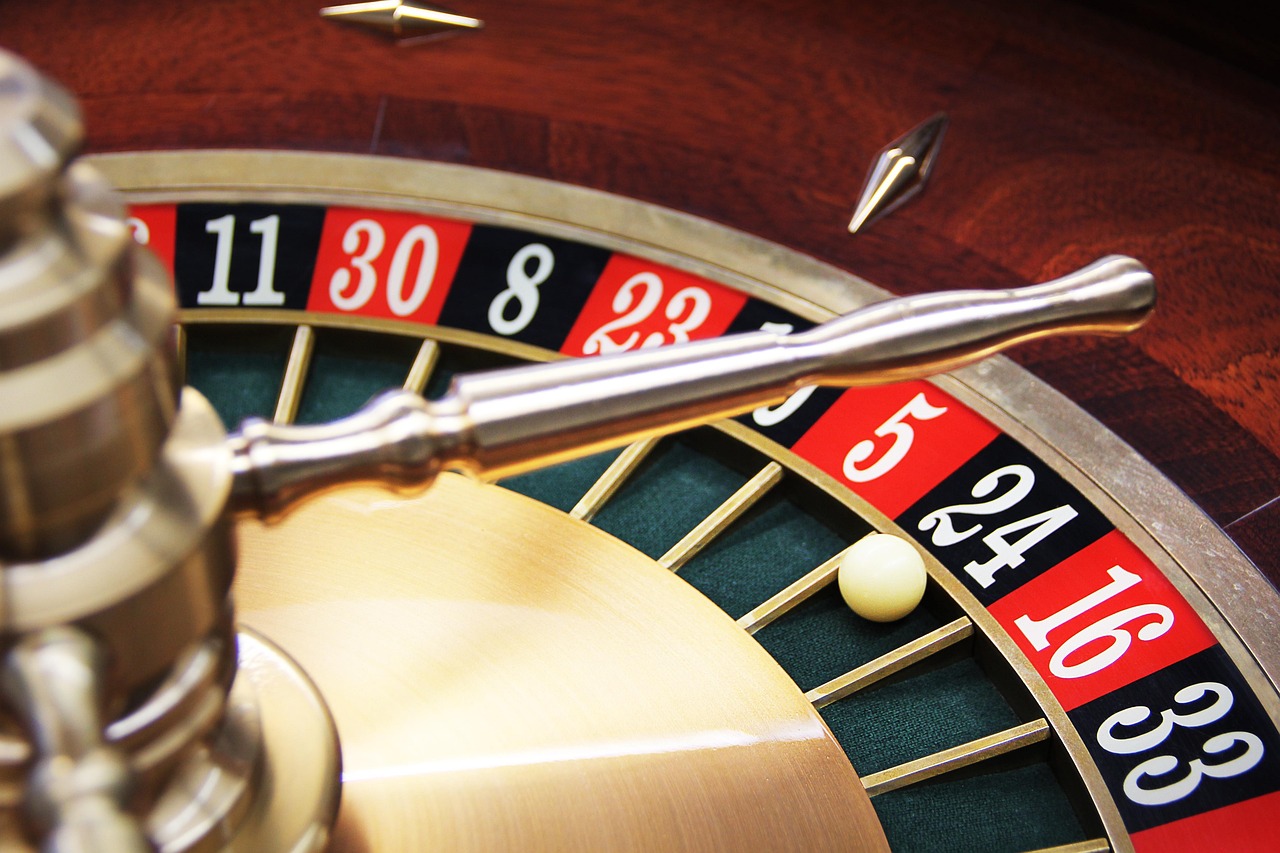
You've seen the flashy ads: a suited-up guy winning a jackpot on a slot machine, a poker pro staring down an opponent, a bettor celebrating a last-second goal. iGaming is a multi-billion dollar industry that never sleeps, but behind the neon lights and bonus offers, there's a practical world that rewards knowledge over luck. Whether you're spinning reels, grinding cash games, or betting on the weekend fixtures, understanding how these games actually work—and where the traps lie—is the difference between entertainment and a costly lesson. Let's cut through the hype and talk about what really matters.
Modern slots are engineering marvels. A single game can run on a random number generator (RNG) that cycles through thousands of outcomes per second. That means every spin is independent—no hot streak, no cold streak. The machine doesn't 'know' you're due for a win. What you can control is the volatility and RTP (Return to Player). Volatility describes how often and how much a slot pays: low volatility means frequent small wins, high volatility means rare but potentially massive payouts. RTP is the theoretical percentage of all wagered money that a game returns to players over millions of spins. A 96% RTP slot is better than a 92% one, but in a single session, variance rules the day.
Here's a concrete tip: check the game's paytable and RTP before you play. Many online casinos publish this data. Also, look at the max win—some slots cap at 5,000x your bet, while others (like certain Megaways titles) can exceed 100,000x. If you're chasing a dream, know the ceiling. And never chase losses on a high-volatility slot unless you're prepared for a long dry spell. A $100 bankroll on a 96% RTP, high-volatility game can vanish in ten minutes.
Unlike slots, poker is not pure chance. Yes, the cards are random, but over time, the better player wins. The key is understanding pot odds, position, and player tendencies. For example, if you have a flush draw on the turn, you have roughly 19% chance to hit on the river. If the pot is $100 and your opponent bets $20, you're getting 5-to-1 odds, but your chance is about 4-to-1 against—so a call is mathematically correct. That's the kind of decision that separates winning players from gamblers.
Position matters more than most beginners realize. Acting last gives you information. If you're on the button, you can see what everyone does before you act. That's a massive edge. And don't ignore bankroll management: a common rule is to have at least 20 buy-ins for cash games and 50 for tournaments. If you play $1/$2 no-limit hold'em, that's a $4,000 bankroll minimum. It sounds steep, but it protects you from the inevitable downswings.
Betting on sports is not just picking a winner. The odds reflect probability. A -200 favorite (implied probability 66.7%) isn't a lock; it's the bookmaker's assessment. Sharp bettors look for value—when the true probability is higher than the implied probability. For instance, if you believe a team has a 50% chance to win but the odds are +120 (implied 45.5%), that's a value bet. Over time, those edges compound.
Line shopping is non-negotiable. Different sportsbooks offer different odds on the same game. A half-point difference in spread betting can turn a loss into a push. Use multiple accounts, compare prices, and never take the first number you see. Also, understand the different bet types: moneyline, spread, totals, props. Start simple. Master moneyline and totals before diving into exotic props. Anyone weighing up options should see 999bett.in.net.
Even experienced players fall into traps. Here are the biggest ones:
If you want to enjoy iGaming without regret, treat it like any other entertainment budget. Decide how much you're willing to lose per month—say $200—and never exceed it. That money is gone the moment you deposit. Don't think of it as an investment. Second, set time limits. A 30-minute session on slots is fine; a three-hour session is a recipe for disaster. Third, mix low-volatility and high-volatility games. Low-volatility slots like Starburst (96.1% RTP) keep you in the game longer, while high-volatility titles like Bonanza offer the thrill of a big hit.
For poker, study one format at a time. Don't jump between cash games, sit-and-gos, and multi-table tournaments. Pick one, learn the push-fold charts, and review your hand histories. For sports betting, specialize in one or two leagues. Know the injuries, the weather, the referee tendencies. Generalists lose to specialists.
iGaming is not a get-rich-quick scheme. It's a pastime that can be fun, social, and occasionally profitable—if you approach it with discipline. The slots are random, the poker is skill-based, and the sportsbook is a math puzzle. No system guarantees wins, but understanding RTP, pot odds, and value betting gives you a fighting chance. So next time you log in, leave the myths at the door. Play smart, play within your means, and remember: the house always has an edge. Your job is to make that edge as small as possible.


We are not gonna make spamming
