
Crimson Aspen shares practical, down-to-earth guidance on british garden trees and woodland planting for readers across the UK.
- 0123456789
- Angle Bd Abdelmoumen & rue soumaya, Résidence
- [email protected]
Crimson Aspen shares practical, down-to-earth guidance on british garden trees and woodland planting for readers across the UK.
 By Eleanor Whitfield
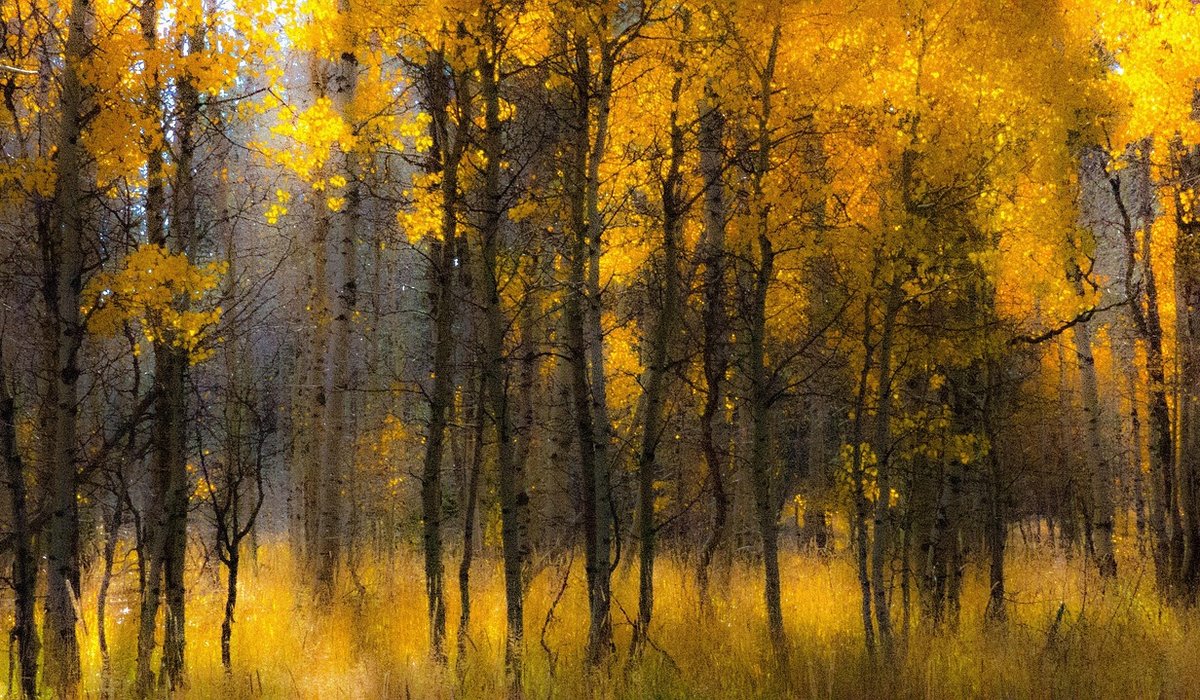
A small garden is no barrier to growing trees. It simply asks you to be a little more deliberate before you pick up the spade. A tree planted three metres from the kitchen window can be a joy for fifty years, or a slow-motion problem that costs you light, paving and goodwill with the neighbours. The difference usually comes down to a handful of quiet checks you can make in a single afternoon.
Most of us buy with our eyes. The sapling on the nursery bench is neat, upright and entirely misleading. What matters is the mature size — height and, just as importantly, canopy spread — and that figure comes from books and plant labels, not from the pot in front of you.
Read the label properly, then halve it if the plant is described as slow-growing, and add a little if your soil is deep and fertile. The following are realistic eventual sizes in an average British garden:
If you only have space for one tree, choose one that works in at least three seasons. Crab apples, amelanchiers and rowans all do.
Roots are the part most gardeners underestimate. They usually spread one and a half to two times the width of the canopy, and the great majority sit in the top 60cm of soil, fanning out rather than plunging down. That is good news for stability and bad news for patios, drains and foundations.
If space is genuinely tight, look at columnar and fastigiate forms, which give height without the width.
Two simple tests will tell you most of what you need. Dig a hole about 30cm deep, fill it with water and see how long it takes to drain: if it is still full after a few hours, you have a drainage problem to solve before planting. Then put a handful of soil in a jar with water, shake it, and leave it to settle — sand sinks first, clay last, and the proportions tell you your texture.
Spend a day watching where the sun actually falls. A south-facing plot is warm, bright and often dry at the roots, which suits Cercis, magnolia, laburnum and flowering cherries. A north-facing garden is cooler and more shaded but perfectly workable with field maple, yew, holly, amelanchier and most rowans.
Remember that shade deepens as trees and fences mature, and that a tree's own shadow in midsummer can fall across a border you had plans for. Morning sun is gentler than afternoon sun, and a site that bakes until four o'clock will punish anything that likes cool, moist roots.
Bare-root trees, lifted and sold between November and March, establish far better than pot-grown ones and cost a fraction as much. Choose a feathered whip around 1.5–2m tall rather than a large, top-heavy specimen that will sulk for years.
After that, most British garden trees need very little from you beyond a light formative prune and the occasional removal of a crossing branch. Get the first decisions right — size, roots, soil and light — and you will have a tree that earns its place for a lifetime.


We are not gonna make spamming
