
Crimson Aspen shares practical, down-to-earth guidance on british garden trees and woodland planting for readers across the UK.
- 0123456789
- Angle Bd Abdelmoumen & rue soumaya, Résidence
- [email protected]
Crimson Aspen shares practical, down-to-earth guidance on british garden trees and woodland planting for readers across the UK.
 By Oliver Bennett
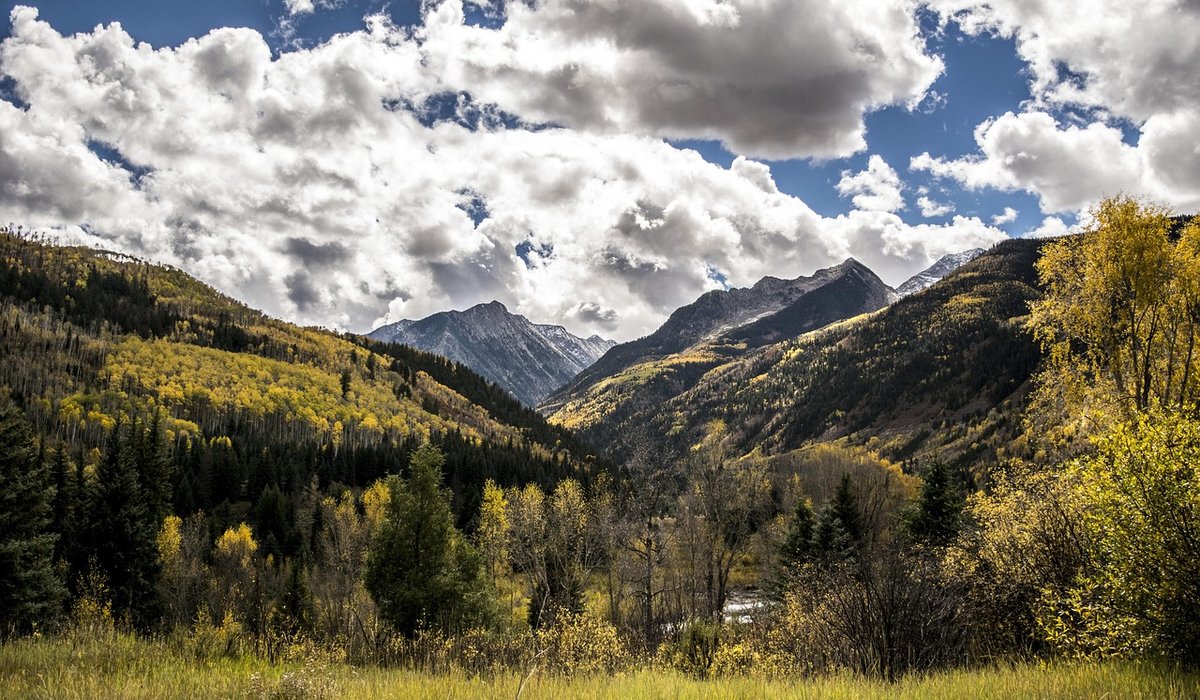
A garden tree has to work hard in a small space, so it pays to choose one that feeds wildlife as well as looking the part. Native species, which have been evolving alongside our insects for thousands of years, support vastly more life than most ornamental imports. A single English oak can host hundreds of insect species, while a leylandii hedge supports almost none. That difference matters, because insects are the engine room: caterpillars feed blue tits and great tits, aphids feed ladybirds and hoverflies, and the whole chain feeds the birds that visit your feeders. If you have room for a small copse, or just one tree in a border, these four are worth planting first.
Nothing else comes close. Our two native oaks, pedunculate (Quercus robur) and sessile (Quercus petraea), support more than 280 insect species, including the purple hairstreak butterfly and dozens of moths whose caterpillars are stripped from the leaves each spring. Those caterpillars are why oakwoods are such good bird habitat: tits, treecreepers and nuthatches raise broods on them.
In autumn, acorns are a genuine larder. Jays bury them and plant next-generation oaks by accident, while grey squirrels, wood mice and deer take their share. Older oaks develop cracks, rot holes and loose bark that bats roost in and that support specialist beetles and fungi.
Birch is the tree to plant if you want quick results. Silver birch (Betula pendula) and downy birch (Betula pubescens) will put on a metre a year on poor, sandy or acidic ground, and between them they support around 330 insect species, including the buff-tip and poplar hawk-moth. The airy canopy casts dappled shade rather than deep gloom, so foxgloves and wood anemones can still grow beneath it.
Come late summer, birch seed is a magnet for siskins, redpolls and greenfinches, which hang acrobatically from the twigs to strip it. The pale bark is also one of the best surfaces in Britain for lichens.
If you plant only one thing for birds, make it hawthorn (Crataegus monogyna). Its dense, thorny growth is the safest nesting site in the garden — blackbirds, dunnocks, chaffinches and robins all tuck their nests into it — and the May blossom, creamy and faintly almond-scented, is worked by bees, hoverflies and beetles for weeks.
The haws that follow in September are among the best winter berries going, and they are why redwings, fieldfares and waxwings turn up in gardens during cold snaps. Hawthorn supports well over 150 insect species, and it clips beautifully, so it can be a hedge, a scrubby thicket or a small standard tree.
Willows (Salix species) are the best source of early-season pollen and nectar. Goat willow and grey willow — the ones we call pussy willow — open their silvery catkins in March and April, just as queen bumblebees, solitary bees and early butterflies emerge from hibernation and find almost nothing else in flower. Willow supports around 450 insect species, second only to oak, and its soft leaves feed the caterpillars of the sallow moth and puss moth.
Willows like damp ground and grow fast, so site them carefully. Their roots are vigorous and water-seeking: keep them at least 10m from drains, pipes and foundations, and choose something like Salix caprea 'Kilmarnock' for a pot where space is tight.
Think in layers rather than a row of trees. A native copse works best as a canopy of oak, birch or willow, an understorey of hawthorn, hazel and blackthorn, and a rough, un-mown ground layer of native flowers and tussocky grass. That structure gives birds somewhere to nest, insects somewhere to overwinter, and hedgehogs and voles somewhere to move unseen.
Practical points worth getting right:
Finally, be patient, but not too patient. A hawthorn or willow whip will give you catkins and berries within three or four years; an oak will take twenty to come into its own, by which time it will be feeding more species than anything else in the street.


We are not gonna make spamming
