
Crimson Aspen shares practical, down-to-earth guidance on british garden trees and woodland planting for readers across the UK.
- 0123456789
- Angle Bd Abdelmoumen & rue soumaya, Résidence
- [email protected]
Crimson Aspen shares practical, down-to-earth guidance on british garden trees and woodland planting for readers across the UK.
 By Eleanor Whitfield
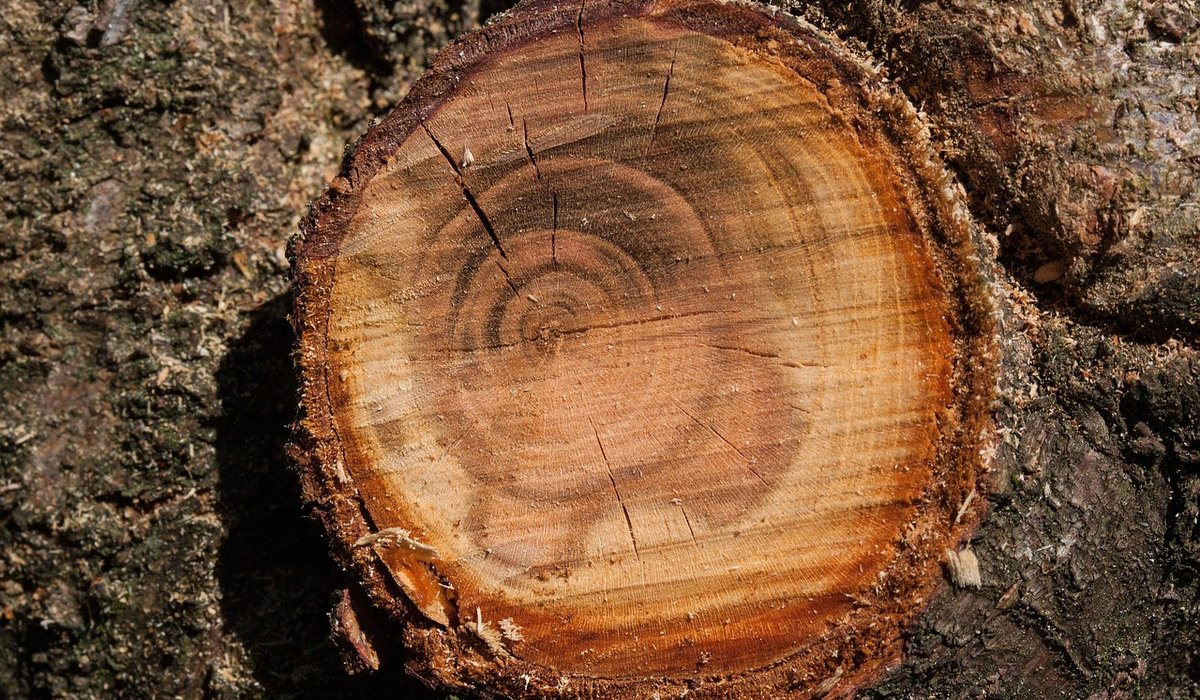
Every garden tree carries a little ecosystem on its leaves, buds and bark. Most of the creatures you find there are harmless, and many are actively helpful. The trick is learning to recognise the few that cause real damage, and to spot them early enough that a gentle intervention will do the job. A ten-minute walk round your trees once a fortnight from March to September will teach you what "normal" looks like, so you notice straight away when something has changed. Take a hand lens, a notebook and a little patience. Your trees will repay you.
Aphids are the most common complaint, and they are easy to identify once you know the signs. Look on the undersides of young leaves and along soft new shoots. You will see clusters of small, soft-bodied insects, usually green, black, grey or pinkish, often with ants in attendance. Ants farm aphids for their honeydew, so a trail of ants running up a trunk is a strong hint. Honeydew also drips onto leaves below, encouraging a black, sticky film of sooty mould. Lime, sycamore, cherry and plum are particular favourites.
Scale insects are less obvious. They look like small, waxy bumps stuck to twigs and leaves, often brown, grey or white. Holly, bay, camellia and fruit trees are common hosts. Turn a leaf over and look along the midrib. If you can flick off a little limpet-like disc with a fingernail, it is probably scale. Heavy infestations weaken growth and produce the same sticky honeydew as aphids.
Caterpillars are masters of disguise, but their damage is hard to miss. Look for ragged holes in leaves, nibbled edges, or buds that have been hollowed out from the inside. Some caterpillars roll leaves around themselves with silk, while others sit neatly along a vein or mimic a twig. Oak, hawthorn, apple and birch all support a wide range of moths. The winter moth caterpillar is a particular nuisance on fruit trees in spring, often stripping young leaves just as they open.
Check buds in early spring, before they break, for small holes or tell-tale frass (droppings) that look like tiny peppercorns. A torch after dark is useful, as many caterpillars feed at night. Hand-picking is surprisingly effective on small trees, and a pair of tweezers makes it easier. If you find clusters of eggs on twigs in winter, you can scrape them off with a fingernail or a blunt knife.
Spider mites are tiny, often no more than a speck, but their feeding leaves a distinctive pattern: fine pale stippling across the upper surface of leaves, which gradually turns bronzed or yellow. Look closely and you may see fine webbing between leaves and shoots. Dry, dusty conditions suit them, so trees growing against a warm wall or in a sheltered, rain-shadowed spot are most at risk. Apple, plum, pear and ornamental cherries are common hosts.
Mites are not insects but arachnids, so many insecticides are useless against them. A regular spray of water on the leaves, especially in hot spells, helps to keep them in check by raising humidity and physically dislodging them. Predatory mites, which are often reddish and move faster, will arrive if you avoid broad-spectrum sprays and keep the foliage damp.
Not all pests stay on the leaves. Codling moth larvae, the cause of maggoty apples, tunnel into fruit and later pupate in rough bark or leaf litter at the base of the tree. Winter moth females climb trunks in late autumn to lay eggs in the canopy. Scale insects and aphid eggs often overwinter in bark crevices, especially on older wood. A close look at the trunk and main branches can reveal a lot.
The single most useful thing you can do is to make your garden a friendly place for the creatures that eat pests. Ladybirds, lacewings, hoverflies, parasitic wasps, earwigs, ground beetles and many birds all do the work for you, free of charge. Plant a few nectar-rich flowers near your trees, such as poached egg plant, calendula, fennel, dill and other umbellifers, to feed the adults of hoverflies and parasitic wasps. Leave a little wild corner, a log pile or a patch of long grass, and avoid clearing every fallen leaf.
If an infestation is severe and you have given the predators a chance, start with the least harmful options. A jet of water, a careful wipe with a soapy cloth, or a spray of horticultural soap or fatty acids will deal with many aphids and scale without leaving a lasting residue. Winter washes based on plant oils can be used on dormant fruit trees to smother overwintering eggs and scale. Always follow the label, spray in the evening when bees are away, and never treat a tree in flower. Remember that broad-spectrum chemicals kill the very predators you need, often making the problem worse in the long run. A healthy, well-fed tree with a rich community of wildlife around it will shrug off most pests on its own.


We are not gonna make spamming
